

Sales Engagement Platforms (SEPs), such as outreach.io; frontspin.com; groove.co; to name a few, enables your SDR and Sales Teams to track and personalize the steps in a buyer’s journey. They automate menial tasks, ensuring that prospects are “touched” in a regular cadence until the sales cycle, or “sequence”, has ended. When used effectively, SEPs allow your Sales and SDR teams to spend more time generating revenue in an extremely efficient manner.
Sales Engagement Platforms are a much needed solution to save time in the Sales tech stack. Nonetheless, they are difficult to maintain and manage. I’ve implemented these solutions at numerous companies. Our customers believed that once the implementation was completed, the SEP would manage itself. However, this is not the case. SEPs are like wild, hungry beasts: they require constant care and feeding to remain manageable. If left in the hands of your Sales or SDR teams, it will be difficult to determine if your sequences, cadences, and content are effective.
The Problem with Sales Engagement Platforms
When companies implement SEPs, they feel confident that this new solution will help them reach more people faster, and in a more personalized manner. SEP’s provide great stats on open rates, and provide dashboards so that the team can see what to do and who to contact next. Great news!
Here is the problem: companies fail to understand that their SEP is only as good as the latest content that has been added to the SEP library. Consider these points:
1. Recycling emails and content will not garner the customer engagements you are seeking.
Every sequence has a life span, let’s say 10 weeks. Once the sequence is completed, you can create another sequence for the customers who didn’t engage with you. Every customer interaction should be of value to your customer. Thus, reusing the content from the first sequence may not work; the customers who didn’t engage haven’t seen your value, yet. Provide updated content which will make you the thought leader, and provide valuable insights for customer success. Emails, blogs, infographics, videos, and social media should be refreshed every month or—at the very least—every quarter. Assign someone in your organization to create and update content regularly.
2. “Snippets” must be valuable content.
I often get emails that start with, “Hey Alicia, did you receive my last email?”, or, “Following-up on My Last Email”, which I delete before opening. If I don’t know “immediately” who the sender is, their value prop, and what they want, why should I waste my time wading through a string of emails to determine their value to me? Provide content that is of value to customers across multiple platforms and your response rates will improve. (Hint: Every company that has a SEP uses these generic snippets. Consider this: hundreds of these snippets are going to customers every day. If everyone is doing this, your emails will fade into the background and your sales engagement tools will go suffer).
3. Sales Engagement Software provides team members a fast and easy way to message to customers.
However, this feature may not be helpful. SDR’s and Sales Reps are not necessarily the best writers when it comes to conveying your message. Your team members may or may not understand your message and value-prop, or they may not consistently express the benefits of your solution. To remedy this, task a company writer to write these personalized emails with the plan to refresh every month or so.
4. CRMs have an Administrator and SEPs should have one too.
To get the highest value out of your SEP, give someone (not a SDR, Sales Manager or Sales Rep) in marketing operations or sales enablement the job of:
- Managing the SEP solution
- Creating the sequences
- Updating and refreshing the content library
- Tracking the data of the content, sequences, cadences
- Creating nurture sequences
- Reporting results to the management team
Make no mistake about it: this is a full time job. If you don’t plan to centralize the management and feeding of a SEP, don’t purchase one.
How Sales Engagement Platforms Will Drive Revenue
The Sales Engagement Platform is a wonderful tool which, when used correctly, can help you increase customer engagement and grow your revenue. When this sales technology is not managed consistently—for example, with refreshed materials and sequences, or if Sales Reps and SDRs are expected to write content to deliver your messaging—you may find that you have wasted a lot of money on a solution that becomes unwieldy over time. Remember, managing your SEP is a full-time job. If you want to increase customer engagement, invest in a full-time team member to manage it.
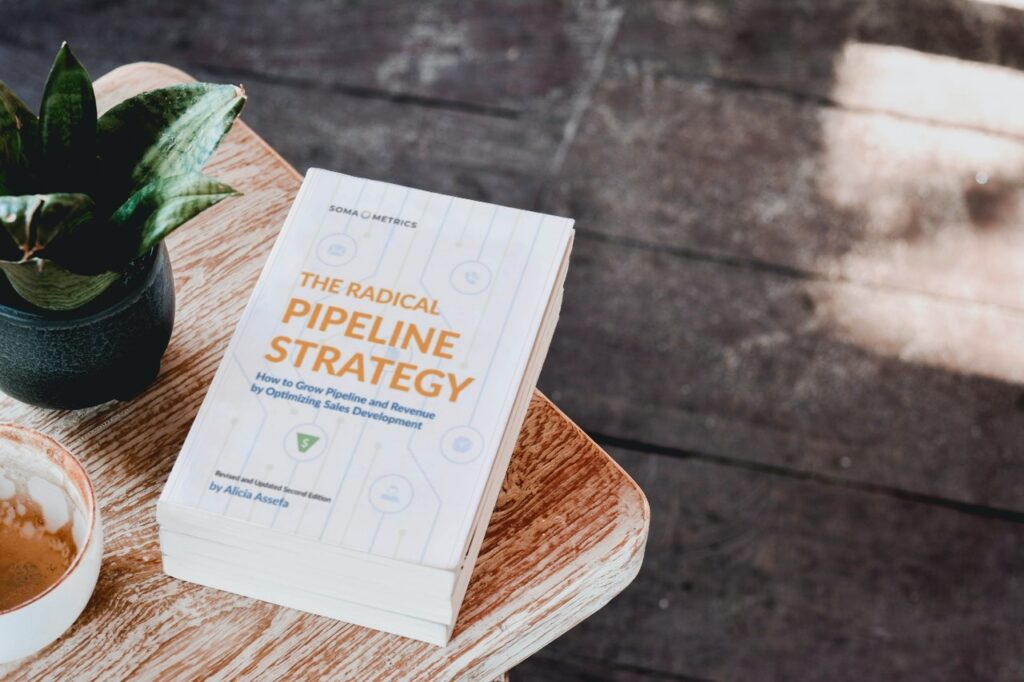
Read the book The Radical Pipeline Strategy: How to Grow Pipeline and Revenue by Optimizing Sales Development. This book outlines tested best practices and implementation strategies that I developed while rebooting and building 65 SDR and Inside Sales organizations.
Find out more about SOMAmetrics’ Intelligent Prospecting Platform and get free resources on our website at www.somametrics.com.
